The Intricacies of AI in Image Creation
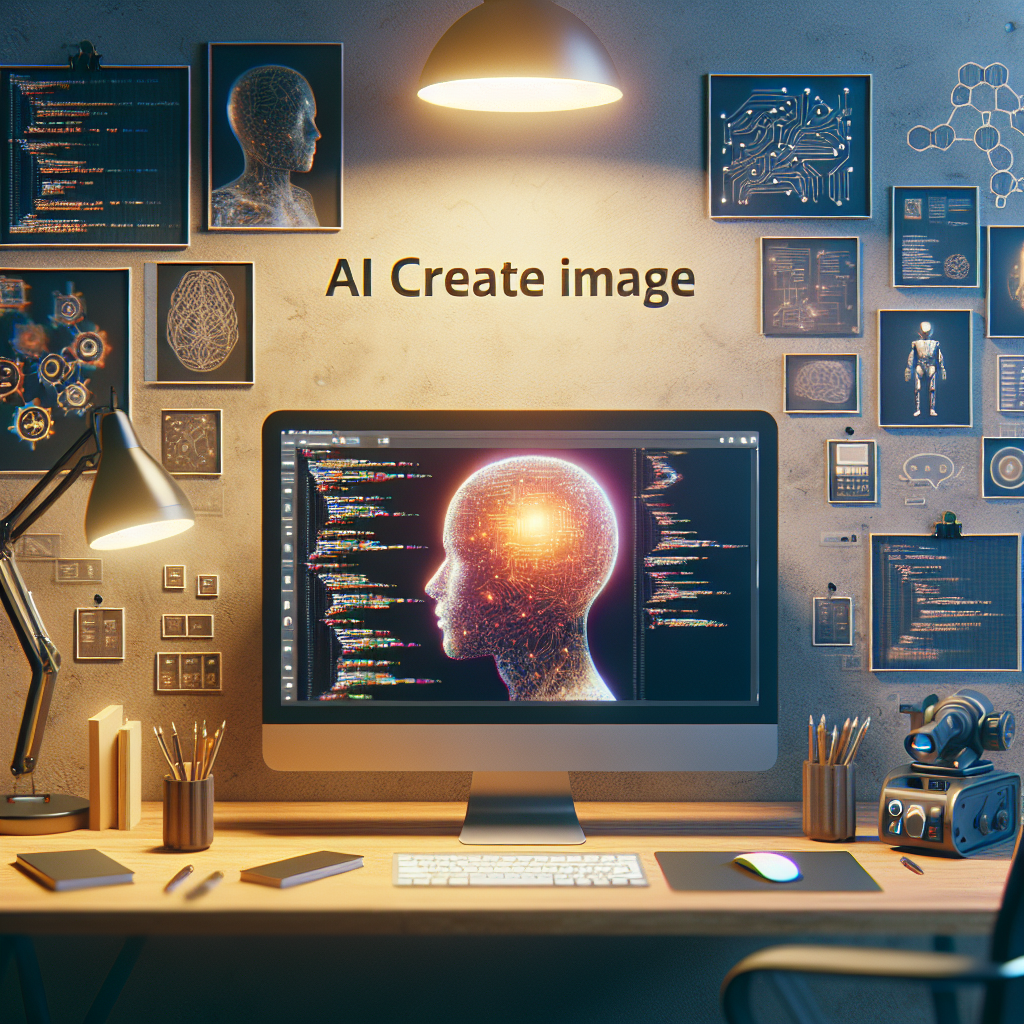
The world of artificial intelligence has seeped into many facets of daily life, and one area where it has made a significant impact is in the realm of image creation. AI in image creation involves complex systems and procedures that simulate the artistic process, making it a truly intricate field.
AI Capabilities in Image Creation
Artificial Intelligence has gained the capability to create stunning visuals that can be indistinguishable from those created by human artists. Using algorithms that learn patterns and visual semantics from a large number of images, AI can generate new images with astonishing originality and precision. This is made possible by technologies such as Generative Adversarial Networks (GANs), a class of machine learning systems that, while complex, drive the power of AI in image creation.
The Complexities
However, the workings of AI in image creation are not a stroll in the park. The technology behind it is intricate, relying on a deep understanding of both computer science and arts. It involves building a system that can «understand» elements of visual aesthetics and composition, and then «reimagine» these elements in new, creative ways. Although we tend to associate AI with cold, logical processes, its use in image creation brings a new dimension of complexity and creativity to the technology.
Challenges and Potential
While the potential of AI in image creation is vast, it isn’t without challenges. Ensuring that the AI consistently produces high-quality images, dealing with issues of copyright and attribution, and enhancing the originality of the AI generated images are among the complexities that researchers and developers grapple with. But despite these challenges, the intricate work of AI in image creation holds immense potential.
Popular AI Tools for Creating Images
With the rapid advancements in technology, Artificial Intelligence (AI) has fostered innovation in many industries, including image creation. Now, using AI tools, anyone can create stunning, high-quality images in less time than traditional methods. This post will highlight some of the most popular AI tools for creating images.
DeepArt
One of the leading AI tools for image creation is DeepArt. This AI-run software enables users to convert their photos into art-inspired images. By analyzing the styles of various artworks, this tool can recreate your images in the style of any artwork you select. The results are not only impressive but also extremely professional.
Artbreeder
Another popular AI tool is Artbreeder. This revolutionary application uses advanced AI algorithms to merge different images and create mesmerizing, unique outputs. The exciting aspect of this tool is that it allows user interactivity; you can adjust and influence the final image’s look.
DeepDream Generator
A third tool making waves in the industry is the DeepDream Generator. DeepDream uses AI algorithms to enhance and modify pictures with incredible effects. It stands out for its ability to create otherworldly and surreal images from ordinary ones, giving creators extensive possibilities for design.
Understanding Generated AI Art
Art has always been a prominent way humans express their feelings, tell stories, and convey messages. However, with the rise of Artificial Intelligence, a new genre of art, known as Generated AI Art, has exploded in popularity. Unlike traditional art forms, where human creativity is the major driving force, generated AI art is produced by trained algorithms.
How Is AI Art Generated?
Artificial Intelligence art, also referred to as algorithmic art, employs technologies such as machine learning and neural networks to create art. These AI systems are trained using thousands of inputs, typically images of existing artwork. They learn the characteristics, styles and patterns from these pieces and then generate new art by applying what they’ve learned to a new set of random inputs.
Styles and Variations of AI Art
- GAN (Generative Adversarial Networks): This is a type of AI algorithm that’s particularly popular in creating art. GANs consist of two parts – the generator, which creates the images, and the discriminator, which reviews the images. The generator aims to create images that the discriminator cannot distinguish from real-world images, leading to some astonishingly realistic AI-generated art.
- Neural Style Transfer: This is another popular technique used in AI art. It involves taking the style of one image and applying it to another. This results in a fusion of the two images, creating a unique piece of art that’s both novel and familiar.
Generated AI Art is truly an exciting frontier for both the fields of art and technology. As AI continues to learn and evolve, we can only expect more impressive and surprising pieces to be created.
The Future of AI and Image Creation
In the world of technology, it’s impossible to ignore the impact of AI (Artificial Intelligence) and image creation. This combination is rapidly transforming various industries and sectors, particularly in the field of design and art. With advancements in AI technology, computers can now generate realistic images that were once thought achievable only through human creativity.
Changing Dynamics of Image Creation
Today, AI tools are not just limited to creating patterns or designs; they are increasingly being used to generate human-like portraits, landscapes, and even artworks. These tools leverage complex algorithms and large datasets to create images that are visually appealing and nearly indistinguishable from those created by a human artist. Envision having no need for a photoshoot as AI can construct the image; this represents potential cost-savings and efficiency.
The Role of AI in Image Creation: Present and Future
The potential of AI in image creation is vast and largely untapped. Today’s applications are just the beginning. As technology progresses, it is anticipated that AI will have a wider-range of capabilities in creating more complex and customizable images. This means that artists and designers could use AI as a tool to expand their creativity, not replace it. But, collaboration between human creativity and AI capability can lead to extraordinary digital creations.
Risks and Challenges of AI in Image Creation
While the advancements in AI-driven image creation are truly groundbreaking, they also bring about new challenges and concerns. Key among these is the risk of AI-generated deepfakes and the authenticity of digital artworks. Securing the digital art world and setting up regulations against the misuse of AI technology hence becomes an increasingly critical pursuit.